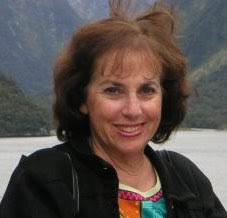
I recently heard from Tammy Slater, a mother who wanted to share both the fact that she read and enjoyed my book, “I Have No Intention of Saying Good-bye” along with the information that her son, Jarret, had been murdered three days after his high school graduation. In great detail she told me her story in an email. I have summarized some of the story but left most of the factual information as it was written to me.
Jarret Austin Clark, an only child, was raised by his mother and stepfather. He was active in Boy Scouts, football, baseball, basketball, soccer, skiing and weightlifting. He even enjoyed spending time with his grandparents shooting turtles and snakes at their pond.
“Jarret had a way of capturing your heart with his sense of humor, his personality and his charisma. He could always make his family and friends laugh and everything thought him fun to be around.”
His plan after graduating was to join the Army. But three days after he graduated on May 11, 2006, he was murdered.
“May 14 was Mother’s Day, and we were all going to my parents home for lunch. He had spent the previous night at Wahoo Bay camp site at Ft. Gibson Lake with four other friends. But he never came home that day”.
Authorities believe Jarret flirted with one of the girls and a fight broke out. It is thought that Jarret was knocked out and the group thought they had killed him, when in reality he was just unconscious. They panicked and tossed his body in the lake. The medical examiner ruled cause of death drowning. Jarret was alive when they put his body in the lake.
A massive search began for him and continued for five days. Jarret’s body was recovered from the lake on May 18.
“Those five days of searching were a journey all in itself. You see this type of news on TV and it happens to other families, not your own. Some things I remember very vividly, some things not at all. What I do know is that I couldn’t have made it through those days of searching without the support of my family, friends, co-workers and many volunteers.”
“We went through a grand jury process in December 2008 in Wagoner County. Dealing with the judicial system and the hoops you have to jump through can be very tiring, both physically and emotionally. Strangers volunteered to help gather signatures in order to even have the grand jury. The verdict was no indictment due to lack of evidence. However, as a parent, I felt it was a process well worth our time and effort. It was something we had to do for Jarret.
“Jarret’s murder is a huge challenge to deal with, knowing who took Jarret’s life and knowing they are not being held accountable. I have mixed emotions. I’m angry at those responsible for his death, the justice system, how Jarret’s case was handled and how politics played a part. I’m hurt and heart-broken because my son doesn’t get to continue with his life and live out his dreams while the one’s responsible do.
Over 400 students attended the funeral. “That meant a lot to me. It tells me Jarret touched a lot of lives.”
How did Tammy endure, survive, move on with her life and what she is doing to this day to keep his story alive. Read the conclusion of her story below in last week's column. (Sorry, they were published in reverse order.)
Sunday, June 24, 2012


Sunday, June 17, 2012
Continuation of Jarret's story
Continuation of Tammy Slater’s story from last Sunday…
“Some days are harder than others. Some days I feel I have a grip on this new journey while other days I wonder if I’ll ever come to terms with it. I continue to take each day as it comes. It’s been almost six years and still, at some point during the day, I find myself crying. Whatever triggers the tears, I’ve learned it’s okay to cry anywhere, anytime. I do try to take myself to that ‘happy place’ of memories.”
“I try to find ways and do things that help me get through each day. I went crazy with his photos. I scanned hundreds and framed them all. I even framed some of his handwritten school papers and his workout routines. I write to Jarret and I write poems to and about Jarret. I talk to him all the time.”
In 2011, Tammy helped coordinate the National Day of Remembrance for Murder Victims held in Muskogee with over 100 people attending. Families came together and released balloons in their child’s memory. The parents also hung a Christmas ornament at “The Trees of Honor and Remembrance for Victims of Violent Crime” in their town. Trees have been planted in his honor. A picnic bench with his name recessed in the table top, and flowers planted at a park in honor of murder victims were some other things done. She says it makes her feel like a part of Jarret does live on and it also plays a huge part in her healing process.
“We attend Compassionate Friends meetings. I find comfort in their newsletters reading poems and stories that others share. It reminds me that I’m not alone on this journey. TCF plays a huge part in my healing process. I also have a support group where I work, where several moms know what it’s like to bury a child. We’re there for each other and I can truly relate.”
“We also decorate Jarret’s grave for lots of occasions: July 4, Valentines, his birthday, Thanksgiving and Christmas. I make floral arrangements to represent his Bronco team during football season and his basketball team during March Madness.”
“I was told how hard the ‘first’ everything would be and they were right: the first Mother’s Day, Father’s Day, his birthday and other holidays. Fortunately, I have 18 years of great memories to help me get through the difficult times.”
“I prefer to be out of town during holidays, so if we go anywhere we always take key chains with his DOB and Death date along with his website on them. We leave them in places like hanging from tree branches and park benches. Some things are buried in the sand in Maui and since he wanted to go to Las Vegas for his 21st birthday, we did it without him. If in town we take some of his friends out for lunch to celebrate his birthday. Or if it’s Mother’s Day, we go to his favorite place to eat.”
The thought of growing older without Jarret and no grandkids around saddens her. She always thought she would get to watch him marry and have his own family, take family vacations together and always be there for his parents as they grew older.
“The dreaded question, “Do you have children?” seems to come up as we meet new people. I can’t and won’t say, “No, I don’t have any.” It’s not fair to Jarret. I try to keep in mind they don’t know what happened to my son and look at it as an opportunity to tell them about Jarret and what a great son he was.”
“I believe in my heart that Jarret is in a happy place, knowing no pain, no sorrow and no worries. And I believe he’s watching over me. Thinking of how Jarret lived his life makes me want to try and continue to enjoy life to the fullest.”
“I need to talk about Jarret and visit the cemetery. I need to be surrounded by photos of Jarret and see his things. I even wear a ring his gave me when he was in 5th grade that cam out of a quarter machine. It means the world to me.”
“Everyone has to find what works for them to get through the day. But we all share the same bond; we all miss our children. It doesn’t matter how they died or how long it’s been. We share the same pain and the same sadness. But, I do believe we also share that same assurance of knowing we’ll see them again.”
Two grand juries failed to indict anyone, but Jarret’s parents are keeping his story alive with all that they do. They will never let it become a cold case.
Editor’s note: if you have a story about your child you’d like to share, send them to my email address.
“Some days are harder than others. Some days I feel I have a grip on this new journey while other days I wonder if I’ll ever come to terms with it. I continue to take each day as it comes. It’s been almost six years and still, at some point during the day, I find myself crying. Whatever triggers the tears, I’ve learned it’s okay to cry anywhere, anytime. I do try to take myself to that ‘happy place’ of memories.”
“I try to find ways and do things that help me get through each day. I went crazy with his photos. I scanned hundreds and framed them all. I even framed some of his handwritten school papers and his workout routines. I write to Jarret and I write poems to and about Jarret. I talk to him all the time.”
In 2011, Tammy helped coordinate the National Day of Remembrance for Murder Victims held in Muskogee with over 100 people attending. Families came together and released balloons in their child’s memory. The parents also hung a Christmas ornament at “The Trees of Honor and Remembrance for Victims of Violent Crime” in their town. Trees have been planted in his honor. A picnic bench with his name recessed in the table top, and flowers planted at a park in honor of murder victims were some other things done. She says it makes her feel like a part of Jarret does live on and it also plays a huge part in her healing process.
“We attend Compassionate Friends meetings. I find comfort in their newsletters reading poems and stories that others share. It reminds me that I’m not alone on this journey. TCF plays a huge part in my healing process. I also have a support group where I work, where several moms know what it’s like to bury a child. We’re there for each other and I can truly relate.”
“We also decorate Jarret’s grave for lots of occasions: July 4, Valentines, his birthday, Thanksgiving and Christmas. I make floral arrangements to represent his Bronco team during football season and his basketball team during March Madness.”
“I was told how hard the ‘first’ everything would be and they were right: the first Mother’s Day, Father’s Day, his birthday and other holidays. Fortunately, I have 18 years of great memories to help me get through the difficult times.”
“I prefer to be out of town during holidays, so if we go anywhere we always take key chains with his DOB and Death date along with his website on them. We leave them in places like hanging from tree branches and park benches. Some things are buried in the sand in Maui and since he wanted to go to Las Vegas for his 21st birthday, we did it without him. If in town we take some of his friends out for lunch to celebrate his birthday. Or if it’s Mother’s Day, we go to his favorite place to eat.”
The thought of growing older without Jarret and no grandkids around saddens her. She always thought she would get to watch him marry and have his own family, take family vacations together and always be there for his parents as they grew older.
“The dreaded question, “Do you have children?” seems to come up as we meet new people. I can’t and won’t say, “No, I don’t have any.” It’s not fair to Jarret. I try to keep in mind they don’t know what happened to my son and look at it as an opportunity to tell them about Jarret and what a great son he was.”
“I believe in my heart that Jarret is in a happy place, knowing no pain, no sorrow and no worries. And I believe he’s watching over me. Thinking of how Jarret lived his life makes me want to try and continue to enjoy life to the fullest.”
“I need to talk about Jarret and visit the cemetery. I need to be surrounded by photos of Jarret and see his things. I even wear a ring his gave me when he was in 5th grade that cam out of a quarter machine. It means the world to me.”
“Everyone has to find what works for them to get through the day. But we all share the same bond; we all miss our children. It doesn’t matter how they died or how long it’s been. We share the same pain and the same sadness. But, I do believe we also share that same assurance of knowing we’ll see them again.”
Two grand juries failed to indict anyone, but Jarret’s parents are keeping his story alive with all that they do. They will never let it become a cold case.
Editor’s note: if you have a story about your child you’d like to share, send them to my email address.
Sunday, June 10, 2012
This and That
GRIEVING DADS
Go to grievingdads.com web site and you’ll see Kelly Farley’s new book he is launching to help all dads, Grieving Dads: To the Brink and Back. He knows that this holiday coming up, Father’s Day, is very hard for dads who have lost children. He has done much research on this topic going around the country interviewing these dads in all walks of life and getting their feelings and perspective on this topic of losing your child.
When he went to Buffalo, N.Y. one weekend to interview five dads for his book, he had the pleasure of having Fathers Day breakfast with a dad who lost his son in an ATV accident while on vacation. Sitting there with him in the sunshine on his deck telling stories of his experience, stories he said he had never told before, was a powerful experience and captures the reason why he wrote this book.
“I wrote this book to provide insight to grieving dads and the people in their lives as well as to let other grieving dads know they are not alone. There are tens of thousands of us out there that are struggling to tell our stories.”
The website has many stories, blogs and even asks for support to promote the book to those who really need it. On a personal note: to all dads, a very happy Father’s Day.
REINVESTMENTS
Chris and Carole Jackson from Florida started a Facebook project called the Colton Name Project in memory of their son, Colton. According to the Jacksons, people have been sending pictures from all over the country and the world with his name spelled out with objects, simply on paper but in front of special locations or monuments and even with some famous people holding up his name. “It has been such a special blessing for us,” they said. “It gives us a reason to get up in the morning.
The Jackson’s are also in the process of starting a foundation in his memory to help local children somehow. It’s still in the works and all they know so far is the name—Colton’s Heart. Colton was an organ donor and a young man received his heart. They are hoping to one day meet this young man and the other three recipients of his organs.
BRYANT’S BLOG
If you have a disabled child in a wheelchair, you may find the blog:
http://www.bry-bryantsblog.blogspot.com/ an interesting read. Unfortunately, because of copyright laws that the mom has attached to her blog about her son who lived for 20 years, I can not tell you much about him. Suffice to say that this mom has poured out her heart about her son, who had a lot of physical ailments, a lot of operations, but chose to live in spite of all his challenges, smiling courageously through everything he was dealt. I find it hard to believe that these special children can deal with everything thrown at them and come out of it all shining. It warms my heart as I’m sure it will yours.
CHILDREN’S UNDERSTANDING OF DEATH
If you have young children at home who have lost a sibling, you may find that if they are preschool, they will probably not understand that death is final. They will think that they will see that person again. They may also falsely think it was their fault that the person died. Parents need to reassure the child that is not the case. As they grow and go to school, the child will gain a more mature understanding of death and begin to realize that death is final and people do not come back to life. They could also have scary beliefs about death, like believing in the “boogey man” who comes for the person. They will probably ask a lot of questions and may reject old friends and seek those who have experienced a similar loss. As a teen, they have a full adult understanding of death even though they may withdraw, become sad or lose interest in activities and hide their true feelings. Parents should try to be patient and understand all these feelings.
Sunday, June 3, 2012
Commonalities Between Bereaved Parents
Commonalities exist between all bereaved parents. As I did research for my books, I found these five to stand out among many. They are:
1. Parents want to leave memorials of some type to honor their child
2. They choose to find a cause, a reason to move on with their lives.
3. They believe everyone grieves differently and at different rates, and that as painful as it is, it is important to go through this process to come to terms with the reality of their loss.
4. They know they will have setbacks or rushes of emotions that will be overwhelming when they least expect it, but that doesn’t mean they will not heal.
5. They believe they are different people now than they were when their child lived with different goals, different priorities, different friends and a new life, with a new richness to it that focuses on what our children left us, the gift of having them.
1. LEAVING MEMORIALS- What better way to remember and honor your child and allow others to do the same. There are so many things you can do from starting a scholarship, buying memorial bricks on certain new buildings, donating to your church or synagogue a piece of art in their memory, to collecting money to build a building in their honor, speaking to schools and organizations and doing your own quiet memorial at home or cemetery. Whatever you choose, know that your child would be proud of you working through your grief.
2. FINDING A CAUSE- Many parents become active and/or get on boards of various grief organizations such as Compassionate Friends or Bereaved Parents USA on a national or local level. Or they might try to change laws that would have saved their child’s life. Don’t think you have to do this immediately following the death of your child. Having a cause or new purpose in life can be very rewarding and you will know when it will be right for you.
3. EVERYONE GRIEVES DIFFERENTLY- Many parents are relieved to find out that they are not going crazy or that their spouse grieves completely opposite of them. It is perfectly normal to grieve differently and at different rates, and each should give the other space to do so. It is very important to communicate during this period in your life, so that your marriage does not suffer. Talk about your child. Remember the good times. Talk about your fears, your hopes for your new future and how you can accomplish all this together during your darkest hours.
4. SETBACKS- We may have setbacks for many years to come, particularly when our child’s name is mentioned, hear a song they used to like or go to an event they used to participate in. Don’t look at this as though you will never heal. This is very normal. Don’t listen to those who say, “When will she ever get over this?” They don’t understand and never will. New friends say to me, “I could never live through the death of my child.” What choice do we have. This has happened and we can’t change it. But we can learn a great deal from adjusting to the situation. I don’t like it. I want my child here with me, but I know that will never happen, so we move on, keeping our child in our hearts forever.
5. DIFFERENT PEOPLE NOW WITH DIFFERENT GOALS- Because of the death of our child, our life changes, our priorities change and what was once important to us may no longer have any meaning. Our friends change and so does our address book. I can not believe how some good friends did not want to have anything to do with me after my daughter died. New friends came out of the woodwork and are still friends today, 18 years later. I realize some did not know what to say to me or how to react, but if they had told me that, I would have worked at making them comfortable around me. Instead, they faded into the background. My new friends talk about my daughter and allow me to do the same. The following saying comforts me: a friend is one who knows you as you are, understands where you’ve been, accepts who you’ve become, and still gently invites you to grow.
I invite you to grow, to learn to love life again and to work your way through your never-ending grief journey.
Editor’s note: this is an abstract of a much longer and more in-depth article in my recent book “Creating a New Normal…After the Death of a Child.”
1. Parents want to leave memorials of some type to honor their child
2. They choose to find a cause, a reason to move on with their lives.
3. They believe everyone grieves differently and at different rates, and that as painful as it is, it is important to go through this process to come to terms with the reality of their loss.
4. They know they will have setbacks or rushes of emotions that will be overwhelming when they least expect it, but that doesn’t mean they will not heal.
5. They believe they are different people now than they were when their child lived with different goals, different priorities, different friends and a new life, with a new richness to it that focuses on what our children left us, the gift of having them.
1. LEAVING MEMORIALS- What better way to remember and honor your child and allow others to do the same. There are so many things you can do from starting a scholarship, buying memorial bricks on certain new buildings, donating to your church or synagogue a piece of art in their memory, to collecting money to build a building in their honor, speaking to schools and organizations and doing your own quiet memorial at home or cemetery. Whatever you choose, know that your child would be proud of you working through your grief.
2. FINDING A CAUSE- Many parents become active and/or get on boards of various grief organizations such as Compassionate Friends or Bereaved Parents USA on a national or local level. Or they might try to change laws that would have saved their child’s life. Don’t think you have to do this immediately following the death of your child. Having a cause or new purpose in life can be very rewarding and you will know when it will be right for you.
3. EVERYONE GRIEVES DIFFERENTLY- Many parents are relieved to find out that they are not going crazy or that their spouse grieves completely opposite of them. It is perfectly normal to grieve differently and at different rates, and each should give the other space to do so. It is very important to communicate during this period in your life, so that your marriage does not suffer. Talk about your child. Remember the good times. Talk about your fears, your hopes for your new future and how you can accomplish all this together during your darkest hours.
4. SETBACKS- We may have setbacks for many years to come, particularly when our child’s name is mentioned, hear a song they used to like or go to an event they used to participate in. Don’t look at this as though you will never heal. This is very normal. Don’t listen to those who say, “When will she ever get over this?” They don’t understand and never will. New friends say to me, “I could never live through the death of my child.” What choice do we have. This has happened and we can’t change it. But we can learn a great deal from adjusting to the situation. I don’t like it. I want my child here with me, but I know that will never happen, so we move on, keeping our child in our hearts forever.
5. DIFFERENT PEOPLE NOW WITH DIFFERENT GOALS- Because of the death of our child, our life changes, our priorities change and what was once important to us may no longer have any meaning. Our friends change and so does our address book. I can not believe how some good friends did not want to have anything to do with me after my daughter died. New friends came out of the woodwork and are still friends today, 18 years later. I realize some did not know what to say to me or how to react, but if they had told me that, I would have worked at making them comfortable around me. Instead, they faded into the background. My new friends talk about my daughter and allow me to do the same. The following saying comforts me: a friend is one who knows you as you are, understands where you’ve been, accepts who you’ve become, and still gently invites you to grow.
I invite you to grow, to learn to love life again and to work your way through your never-ending grief journey.
Editor’s note: this is an abstract of a much longer and more in-depth article in my recent book “Creating a New Normal…After the Death of a Child.”
Sunday, May 27, 2012
Memorial Day Tribute
Parades, flags flying, and ceremonies will be held tomorrow for the yearly celebration of Memorial Day, a national holiday to honor soldiers who have served and died in the service of the United States. Amid all these events is a profound sense of remembering and acknowledging those who have served and sacrificed everything for their country, for you and for me.
As I think of all these brave men and women, I get teary-eyed, not only for my child who is no longer here but also for those children of my friends who wanted to serve in the armed forces but will never be able to do so because they died before they could even enlist. Even though I am not related to anyone in the service of our country, I have no problem giving my time this day to say “thank you.” These soldiers have protected all of us, so that we can live a better life. Even if it is just putting a flag outside your home, watching the parade on television or going to a cemetery where many are buried, spending time remembering these fallen heroes is to honor them. They are mothers, fathers, sisters, brothers and someone’s child.
Though it did not originate in the United States, memorial days upon which the graves of the community’s heroes were decorated with flowers and garlands are ancient customs originating in Greece 2,500 years ago. After the Civil War, states began their own designated “Decoration Days.” The terms “Memorial Day and “Decoration Day” were used interchangeably for many years. In May 1868, May 30th was designated as the national Memorial Day we now celebrate the last Monday in May.
TAPS (Tragedy Assistance Program for Survivors) is the well-known national organization to turn to if you have lost a child or any loved one in the military. In addition to their magazine printed during the year with articles on hope and survival, they offer peer support and assist survivors who have lost a loved one in the line of duty. They hold national conferences this time of year and in the summer, sponsor a “good grief” camp for children who have lost a parent or a sibling. They can be contacted at 1-800-959-8277 or online at www.taps.org for more information.
Memories carry the magic of our history with opportunities for sharing, for understand and for healing.
As I think of all these brave men and women, I get teary-eyed, not only for my child who is no longer here but also for those children of my friends who wanted to serve in the armed forces but will never be able to do so because they died before they could even enlist. Even though I am not related to anyone in the service of our country, I have no problem giving my time this day to say “thank you.” These soldiers have protected all of us, so that we can live a better life. Even if it is just putting a flag outside your home, watching the parade on television or going to a cemetery where many are buried, spending time remembering these fallen heroes is to honor them. They are mothers, fathers, sisters, brothers and someone’s child.
Though it did not originate in the United States, memorial days upon which the graves of the community’s heroes were decorated with flowers and garlands are ancient customs originating in Greece 2,500 years ago. After the Civil War, states began their own designated “Decoration Days.” The terms “Memorial Day and “Decoration Day” were used interchangeably for many years. In May 1868, May 30th was designated as the national Memorial Day we now celebrate the last Monday in May.
TAPS (Tragedy Assistance Program for Survivors) is the well-known national organization to turn to if you have lost a child or any loved one in the military. In addition to their magazine printed during the year with articles on hope and survival, they offer peer support and assist survivors who have lost a loved one in the line of duty. They hold national conferences this time of year and in the summer, sponsor a “good grief” camp for children who have lost a parent or a sibling. They can be contacted at 1-800-959-8277 or online at www.taps.org for more information.
Memories carry the magic of our history with opportunities for sharing, for understand and for healing.
Sunday, May 20, 2012
Post Traumatic Stress Disorder
More than 120,000 children die every year in the United States. One of the most important effects a parent can experience after a child’s death is Post Traumatic Stress Disorder or PTSD. It is a cluster of symptoms that occurs when a very traumatic incident occurs in a person’s life. This trauma can leave a person feeling powerless, victimized and emotionally, physically and mentally paralyzed.
Symptoms can include: sadness and depression, denial, shock, confusion, anger, irritability, inability to sleep, nightmares, loss of appetite, guilt over the failure to prevent the loss, loss of interest in daily activities, forgetfulness or apathy.
If you or someone you know is suffering from any of these symptoms, it could be PTSD and seeking counseling or psychotherapy is advised. Another way to get help is by joining support groups… a safe place where parents, siblings and grandparents can go and express their feelings and listen to how others have coped. This can be locally or nationally such as Compassionate Friends or Bereaved Parents USA. There are many specific groups such as Parents of Murdered Children, SIDS Alliance or Alive Alone for parents who have lost their only child. Other helpful things to do include: eating well, daily exercise, daily journaling and establishing new routines or hobbies.
The effects of PTSD can be subtle, or they can be apparent. They can include extreme mood swings; uncontrollable outbursts; irrational long-term fears; or physiological symptoms such as headaches, lethargy, digestive troubles, repetitive disturbing nightmares and a change in appetite. Self destructive behaviors such as using drugs or alcohol can also appear.
According to the Post Traumatic Stress Disorder Alliance, recognizing PTSD includes identifying clusters of symptoms that have been present for a month or longer which cause severe problems or distress. Some of the indicators include:
*Reliving the event through nightmares or other uncontrollable thoughts. One can get heart palpitations, headaches or sweating.
*Avoidance of reminders of the event or death such as not going to places, seeing people or doing activities associated with the trauma.
*Sensitivity at all times, making it difficult to concentrate, work, sleep and increasing irritability, aggression, withdrawal or isolation.
Editor’s note: portions of this information gathered from the MISS Foundation who helps families through a variety of resources..
Symptoms can include: sadness and depression, denial, shock, confusion, anger, irritability, inability to sleep, nightmares, loss of appetite, guilt over the failure to prevent the loss, loss of interest in daily activities, forgetfulness or apathy.
If you or someone you know is suffering from any of these symptoms, it could be PTSD and seeking counseling or psychotherapy is advised. Another way to get help is by joining support groups… a safe place where parents, siblings and grandparents can go and express their feelings and listen to how others have coped. This can be locally or nationally such as Compassionate Friends or Bereaved Parents USA. There are many specific groups such as Parents of Murdered Children, SIDS Alliance or Alive Alone for parents who have lost their only child. Other helpful things to do include: eating well, daily exercise, daily journaling and establishing new routines or hobbies.
The effects of PTSD can be subtle, or they can be apparent. They can include extreme mood swings; uncontrollable outbursts; irrational long-term fears; or physiological symptoms such as headaches, lethargy, digestive troubles, repetitive disturbing nightmares and a change in appetite. Self destructive behaviors such as using drugs or alcohol can also appear.
According to the Post Traumatic Stress Disorder Alliance, recognizing PTSD includes identifying clusters of symptoms that have been present for a month or longer which cause severe problems or distress. Some of the indicators include:
*Reliving the event through nightmares or other uncontrollable thoughts. One can get heart palpitations, headaches or sweating.
*Avoidance of reminders of the event or death such as not going to places, seeing people or doing activities associated with the trauma.
*Sensitivity at all times, making it difficult to concentrate, work, sleep and increasing irritability, aggression, withdrawal or isolation.
Editor’s note: portions of this information gathered from the MISS Foundation who helps families through a variety of resources..
Sunday, May 13, 2012
Happy Mother's Day
Today is Mother’s Day and like all Mother’s Days since my daughter died, it is a very sad one. I always enjoyed celebrating with her, whether it was to go out to brunch or dinner, fix me breakfast in bed, or just opening presents from her and her dad.
First she would bug her Dad to death to make sure he got me something. He wasn’t very good at buying gifts but usually bought something for the kitchen, like a pot or pan, since he loved to eat! Marcy, on the other hand, usually liked to buy clothing for me. She never said it out loud, but I guessed there were some outfits I wore that she wished I would get rid of. That was okay. Whatever I received was great. I particularly loved the cards: from her Dad, a romantic one; and from her, a funny or cute one. Fortunately, I kept them all, so that I can, to this day, 18 years later, still look back at them.
This year we are invited to a friend’s house for a Mother’s Day brunch. I am looking forward to it. I really appreciate it when someone is thoughtful enough to know what a difficult day this is for bereaved mothers. In fact, I rank this day even harder than the holidays at the end of the year: Thanksgiving, Chanukah and Christmas.
My friend said, “I know this is a difficult day for you and some of my other friends can’t be with their loved ones, either because of living elsewhere or because of a death (whether it be a child or parent), so I just thought I’d invite all of you over for a few hours.”
My friend invited us a few years ago, and there were about 12 of us, all there for different reasons, but definitely, a compatible group. I’m sure today will be the same.
Also on this day, I usually hear from a few special people who realize how hard this day is. A couple of them knew Marcy and surprisingly, a few never met her and only knew her through me and what I’ve said over the years about her. But I can count on hearing from all of them and it really makes me feel so good.
After the brunch, my husband and I will take a trip to the cemetery so I can place flowers on my daughter’s grave. Even though he is not her father, he is always so thoughtful about trying to make this day easier for me.
For a bereaved parent, Mother’s Day is, and should always be, a day for quiet reflection and the sharing of cherished memories. I hope you are all lucky enough to have caring friends and relatives to share this day with you. And to all mothers, Happy Mother’s Day.
First she would bug her Dad to death to make sure he got me something. He wasn’t very good at buying gifts but usually bought something for the kitchen, like a pot or pan, since he loved to eat! Marcy, on the other hand, usually liked to buy clothing for me. She never said it out loud, but I guessed there were some outfits I wore that she wished I would get rid of. That was okay. Whatever I received was great. I particularly loved the cards: from her Dad, a romantic one; and from her, a funny or cute one. Fortunately, I kept them all, so that I can, to this day, 18 years later, still look back at them.
This year we are invited to a friend’s house for a Mother’s Day brunch. I am looking forward to it. I really appreciate it when someone is thoughtful enough to know what a difficult day this is for bereaved mothers. In fact, I rank this day even harder than the holidays at the end of the year: Thanksgiving, Chanukah and Christmas.
My friend said, “I know this is a difficult day for you and some of my other friends can’t be with their loved ones, either because of living elsewhere or because of a death (whether it be a child or parent), so I just thought I’d invite all of you over for a few hours.”
My friend invited us a few years ago, and there were about 12 of us, all there for different reasons, but definitely, a compatible group. I’m sure today will be the same.
Also on this day, I usually hear from a few special people who realize how hard this day is. A couple of them knew Marcy and surprisingly, a few never met her and only knew her through me and what I’ve said over the years about her. But I can count on hearing from all of them and it really makes me feel so good.
After the brunch, my husband and I will take a trip to the cemetery so I can place flowers on my daughter’s grave. Even though he is not her father, he is always so thoughtful about trying to make this day easier for me.
For a bereaved parent, Mother’s Day is, and should always be, a day for quiet reflection and the sharing of cherished memories. I hope you are all lucky enough to have caring friends and relatives to share this day with you. And to all mothers, Happy Mother’s Day.
Subscribe to:
Posts (Atom)